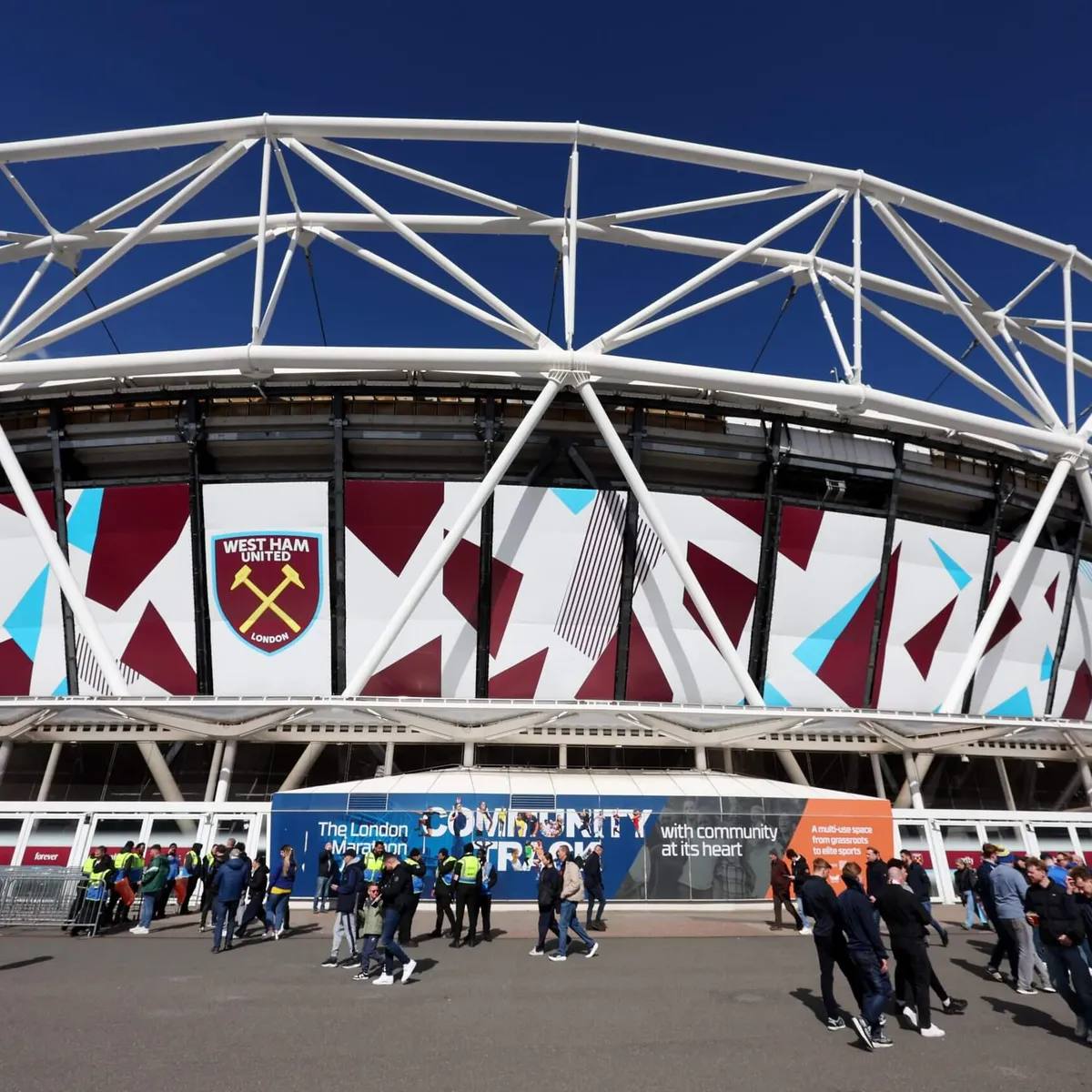
The battle for control and commercial supremacy in the Premier League often extends far beyond the green grass of the pitch. For West Ham United, one of the most compelling ongoing sagas involves the long-term future of the London Stadium. As local authorities float lucrative new commercial proposals, high-level financial experts are warning the Hammers not to fall into a clever political trap.
Speaking exclusively to Football Insider, former Everton chief executive Keith Wyness pulled back the curtain on the complex financial maneuvering surrounding the ground. With Mayor of London Sadiq Khan previously suggesting a £50 million price tag to offload the venue, industry insiders are urging incoming majority stakeholders to play hardball rather than absorbing a loss-making public liability.
Unmasking the £50 Million Naming Rights “Ploy”
For years, the London Stadium has faced intense scrutiny over its financial sustainability, routinely draining roughly £19 million annually from local taxpayers. Recently, momentum has picked up around securing a lucrative naming rights sponsor for the arena—a move officially touted as a way to boost commercial revenue.
However, according to Wyness, this sudden rush for naming rights is nothing more than a calculated commercial “two-step” orchestrated by city authorities. The primary objective? To artificially inflate the stadium’s balance sheet and justify a £50 million valuation before potentially passing the financial burden onto private investors.
“What the city is now trying to say is that, well, with naming rights there is positive revenue, so it is worth £50m, and that’s really the game and the dance that we’re going through right now,” Wyness explained on the Inside Track podcast.
Furthermore, analysts point out that much of the revenue generated from any potential naming rights agreement would likely be retained by the local authorities to mitigate ongoing losses, rather than directly benefiting the football club operating inside the venue.
Why the Stadium Should Essentially Be “Given Away”
From a purely economic standpoint, a facility that consistently operates at a severe annual deficit should not command a hefty multi-million-pound acquisition fee. Wyness argues that given the massive drain on public funds, local authorities should be eager to hand over the keys entirely to someone else willing to absorb the operational headaches.
“To be honest, I think that the stadium should be given away because it’s costing the taxpayer about £19m a year from what I understand, and so yes, it should be given to somebody else to run,” Wyness noted bluntly.
For West Ham, owning the stadium outright would unlock unprecedented opportunities to overhaul the matchday experience, tailor facilities to supporters’ needs, and maximize commercial streams. Yet, leadership must exercise extreme patience, ensuring they do not overpay for a venue that currently functions as a financial millstone for the city.
Daniel Kretinsky and the Changing Guard in East London
This stadium tug-of-war is unfolding against a backdrop of sweeping boardroom changes at the London Stadium. Czech billionaire Daniel Kretinsky has been steadily solidifying his position, securing a landmark deal to become the club’s majority owner and steering toward total control in East London.
As Kretinsky approaches full operational command, his strategic approach to stadium ownership will be a defining chapter of his tenure. Whether navigating the complexities of David Sullivan’s remaining shareholding legacy or sizing up negotiations with the Greater London Authority, Kretinsky holds the cards to reshape West Ham’s long-term infrastructure.
If the incoming majority owner plays his hand correctly, West Ham could eventually secure complete control of their home ground on favorable terms—leaving local authorities to finally wash their hands of a costly public venture. One thing is certain: the high-stakes chess match between East London boardrooms and city hall is only just heating up.
Do you think West Ham should buy the London Stadium outright, or should the club demand a better deal from city authorities?