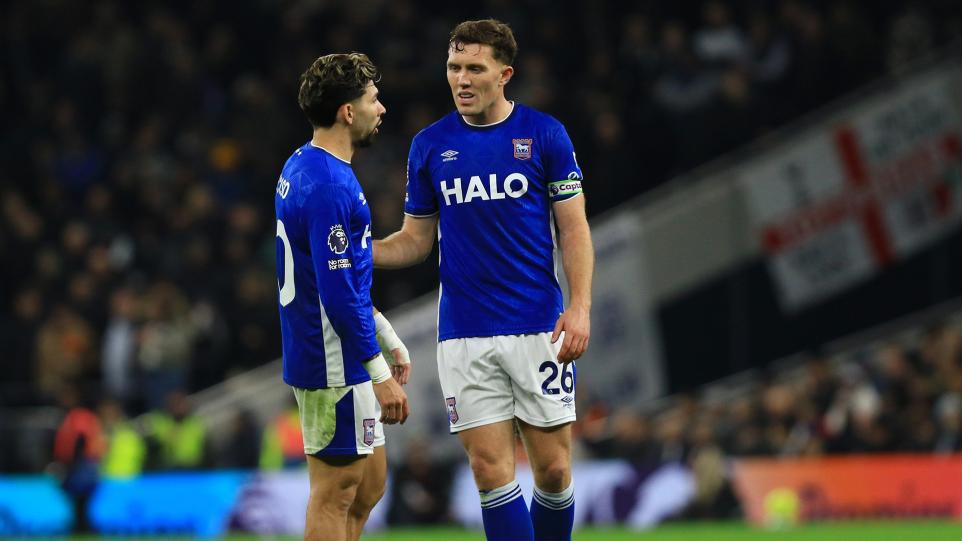
Ipswich Town’s recent 2-0 defeat away at Tottenham Hotspur saw manager Gary O’Neil deploy a back-five system for just the second time this Premier League campaign. While the scoreline left traveling supporters frustrated, a closer tactical inspection reveals that the formation itself isn’t the problem—rather, it is how O’Neil chooses to personnel it that will determine whether Ipswich thrive or sink during a brutal upcoming schedule.
Having alternated between a traditional back four and a defensive five across their last five outings, O’Neil faces a defining strategic question ahead of daunting clashes against Leeds United, Brighton, Chelsea, and Arsenal.
The Etihad Blueprint vs. The Spurs Experiment
When O’Neil first unveiled his pragmatic 3-4-2-1 setup at the Etihad Stadium against Manchester City last month, the signs were genuinely encouraging despite a narrow defeat. Facing 70% possession, the natural defensive trio of Dara O’Shea, Issa Diop, and Jacob Greaves held firm, limiting City to just six shots on target from 19 attempts. Up front, Daizen Maeda exploited pockets of space to score an equalizer while City focused on Emersonn and Julio Enciso, with only Sasa Lukic’s absence in midfield and Leif Davis’ quiet outing holding Town back.
Against Tottenham over the weekend, however, O’Neil opted for a risky hybrid tweak—dropping Greaves to hand Darnell Furlong a hybrid role shifting between right-sided center-back out of possession and right-back on the ball. That experiment backfired badly:
- Lack of Chemistry: Wing-back Abdoul Ouattara repeatedly left Furlong exposed in transition, directly leading to Spurs’ second goal.
- Defensive Disorganization: Without Greaves anchoring the left side of the back three, O’Shea and Diop were constantly stretched and isolated.
How O’Neil Can Unlock the System’s Full Potential
Despite conceding five goals across two outings in the shape, abandoning the back five altogether would be a mistake—especially considering how successful O’Neil was with a similar setup during his peak at Wolves. To make the system click, two major adjustments stand out:
- Restore the Natural Back Three: Ditching Furlong’s hybrid experiment in favor of Greaves, Diop, and O’Shea immediately restores defensive balance, while January reinforcements at center-back will also be vital.
- Unleash Azor Matusiwa or Abdul Fatawu: Adopting a 3-5-2—the exact switch that transformed Leeds United’s fortunes a year ago—with Azor Matusiwa or Florentino shielding Exequiel Palacios and Sasa Lukic would give Davis and Ouattara total freedom to bomb forward. Alternatively, if O’Neil insists on keeping two wide number 10s, Abdul Fatawu must be integrated alongside Enciso behind Emersonn or Zian Flemming to inject desperately needed creativity.
Pragmatism Away, Aggression at Home
Given O’Neil’s well-known preference for utilizing natural wingers, a permanent switch to a midfield three remains unlikely. Instead, Ipswich fans should expect the 3-4-2-1 to remain a specialized weapon for heavyweight away trips, while O’Neil reverts to his preferred 4-2-3-1—the exact formation that delivered all three of Town’s Premier League victories so far—when winnable home fixtures roll around.
Do you think Gary O’Neil should stick with the back five against top-six opposition, or commit full-time to the 4-2-3-1 that won Ipswich their three Premier League games? Let us know your thoughts in the comments below!