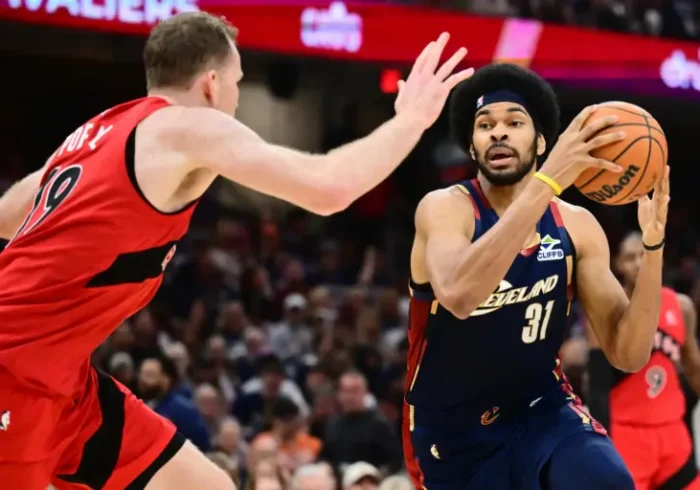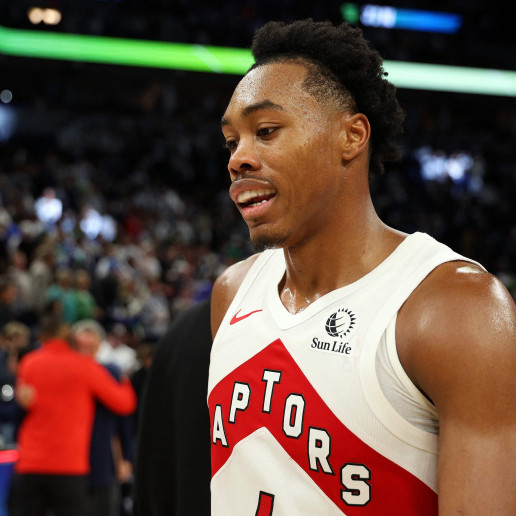
The Toronto Raptors may not have delivered a performance to admire offensively, but they achieved what matters most in the playoffs—winning. In a tense and gritty Game 4 clash, the Raptors secured a narrow 93-89 victory over the Cleveland Cavaliers, leveling their first-round series at 2-2 and turning it into a best-of-three battle.
While the result gives Toronto renewed momentum, the manner in which they achieved it was anything but pretty. The Raptors endured a night to forget from the field, shooting just 32 percent overall. Converting only 31 of their 97 attempts, they struggled to find rhythm or consistency on offense throughout the contest.
Their issues were even more pronounced from beyond the arc. Toronto managed to hit just four of their 30 three-point attempts, an abysmal 13.3 percent success rate that highlighted the extent of their offensive difficulties. Under normal circumstances, such inefficiency would almost certainly result in defeat.
However, this game proved to be an exception.
Despite their struggles, the Raptors managed to grind out a win in what turned into a defensive battle. Cleveland was unable to capitalize on Toronto’s shooting woes, as they too endured a difficult night offensively. The Cavaliers shot just 36.8 percent from the field, failing to create enough separation to take control of the game.
The result was a low-scoring, tightly contested matchup where every possession carried added weight. Toronto’s defensive effort and resilience ultimately made the difference, allowing them to hold off Cleveland in the closing stages and secure a crucial victory.
In doing so, the Raptors etched their name into the history books—albeit in unusual fashion. Their 32 percent shooting performance marks the worst field-goal percentage by a winning team in an NBA playoff game since 1969. It’s a statistic that underlines just how rare it is to win under such circumstances.
Yet for Toronto, the numbers matter far less than the outcome.
The victory not only keeps their playoff hopes alive but also shifts the psychological edge in the series. After falling behind earlier, the Raptors have now clawed their way back, demonstrating resilience and composure under pressure. Winning a game in which their offense faltered so dramatically could serve as a confidence boost, reinforcing their ability to compete even when things are not going their way.
For Cleveland, the loss will be particularly frustrating. Facing an opponent that struggled so heavily from the field, the Cavaliers had a clear opportunity to seize control of the series. Instead, their own inefficiencies and inability to execute down the stretch allowed Toronto to escape with the win.
As the series now heads back to Cleveland for Game 5, the stakes have risen significantly. With both teams locked at two wins apiece, the next contest could prove pivotal in determining the direction of the matchup.
Toronto will aim to build on this hard-fought victory, hoping for improved shooting while maintaining the defensive intensity that carried them through Game 4. Meanwhile, Cleveland will look to regroup, address their offensive inconsistencies, and take advantage of home court.
In playoff basketball, style points are irrelevant—only results count. And despite one of the poorest shooting performances in modern playoff history, the Raptors have managed to keep their postseason alive and set the stage for a dramatic conclusion to the series.