The San Antonio Spurs put together a thrilling run to the NBA Finals last season, but as the dust settled, the blueprint for taking that final, elusive step toward a championship became abundantly clear. While the roster boasts electrifying young talent and elite tactical structures, the Silver and Black occasionally tripped over their own feet when carelessness with the basketball reared its ugly head.
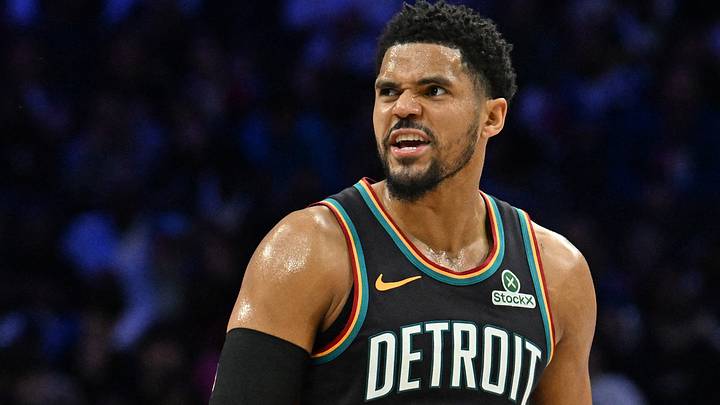
Enter new addition Tobias Harris. While the veteran forward is widely recognized for his perimeter shooting, floor-spacing, and scoring pedigree, a hidden, highly specialized attribute could make him the ultimate missing puzzle piece for San Antonio’s title aspirations.
The Possession Machine: Why Harris’s Low-Turnover Game Matters
According to advanced metrics highlighted by Basketball University, Harris ranks among the very elite players across the entire NBA in cumulative “possession value” over the past three seasons. Boiled down to its core, the metric measures a team’s ability to cleanly win the turnover battle whenever a specific player is actively patrolling the floor.
For anyone who has closely tracked Harris’s 15-year professional career, this revelation comes as little surprise. The veteran forward has historically operated as an exceptionally low-turnover player, rarely forcing ill-advised passes or playing out of control.
When paired with his diverse offensive toolkit—capable of punishing defenses from beyond the arc, operating efficiently from the mid-range, and working effectively out of the post—Harris provides a net-positive offensive impact that far outweighs any defensive limitations. In many ways, he represents a spiritual successor to Harrison Barnes 2.0 for San Antonio, offering slightly more offensive versatility while maintaining that steady, veteran floor-general composure. Comparisons to former Spur Rudy Gay are equally apt, highlighting a player who can comfortably handle the basketball and generate buckets without inviting chaos.
Solving San Antonio’s Costly Playoff Turnover Bug
The timing of Harris’s arrival couldn’t be more critical for a Spurs squad trying to exorcise its postseason demons. Ironically, while San Antonio managed respectable turnover numbers during the regular season, the wheels occasionally fell off under the blinding lights of the playoffs.
No Spurs fan needs a reminder of the sheer panic induced during the opening games of the Western Conference Finals against the Oklahoma City Thunder. San Antonio coughed up the ball an astonishing 44 times across the first two games alone, with young star Stephon Castle shouldering 20 of those giveaways.
Those careless lapses proved fatal. Had the Spurs taken better care of the basketball, Game 1 could have been secured in regulation, and a commanding grip on Game 2 would have followed. Instead of a grueling, energy-sapping seven-game war that left them battered for the NBA Finals against the New York Knicks, San Antonio could have punched their ticket in five or six games.
Turnovers carry an insidious compounding effect in modern basketball. Every careless giveaway not only robs your own offense of a valuable shot attempt but instantly fuels transition opportunities for the opponent, forcing tired legs to sprint back and defend a fast break.
A Two-Way Catalyst for the Silver and Black
This is precisely where Harris’s aversion to turnovers will pay massive dividends. By anchoring the second unit or slotting seamlessly into high-leverage rotations, Harris guarantees possession value.
Winning the possession battle means the Spurs will generate more sustained offensive rhythm, allowing their half-court sets to flourish. Simultaneously, it starves opponents of easy transition points, forcing opposing teams to constantly break down San Antonio’s suffocating, set half-court defense.
Whether coming off the bench to provide instant, efficient offense or stabilizing the floor when the game tightens up, Tobias Harris brings a calming veteran presence that this young roster desperately needs. If his knack for protecting the ball translates smoothly to the Spurs’ system, it just might be the quiet, unglamorous superpower that finally pushes San Antonio over the championship mountain.