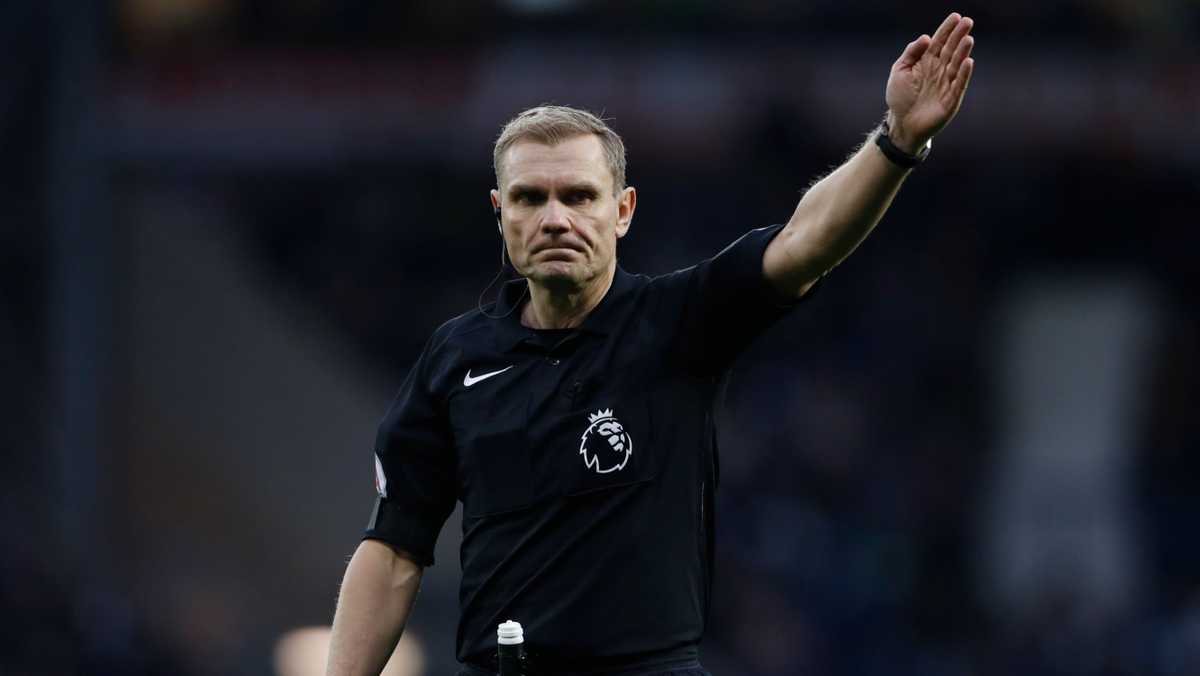
Few issues in modern football generate as much frustration as inconsistent officiating. For Leeds United, the 2025/26 season has provided multiple examples where refereeing and VAR decisions have directly influenced results, momentum, and ultimately their league position. While every club experiences contentious calls, the frequency and impact of those affecting Leeds suggest a measurable cost.
A Season Shaped by Marginal Decisions
Modern football is increasingly decided by fine margins—single goals, tight offside calls, or penalty decisions. For a mid-table or relegation-battling side like Leeds, these moments carry disproportionate weight. Dropped points from a single incorrect decision can swing league positions significantly.
One of the clearest examples came in Leeds’ defeat to Sunderland in March 2026. Manager Daniel Farke described a challenge on Pascal Struijk as a “clear penalty,” yet neither the referee nor VAR intervened. This was not simply a subjective complaint—subsequent analysis from the Premier League’s Key Match Incidents (KMI) panel confirmed that Leeds should have been awarded a penalty in that match.
In a game decided 1–0, that single decision likely cost Leeds at least one point—and potentially three.
Statistical Evidence: VAR Errors and League Position
The issue is not isolated. According to league-wide reviews, VAR has already recorded 18 errors in the 2025/26 season, matching the total for the entire previous campaign with many fixtures still to play.
Leeds have been directly involved in several of these:
• Missed penalty vs Sunderland (confirmed incorrect decision)
• Questionable second yellow card for Gabriel Gudmundsson
• Multiple disputed penalty incidents across the season
When analysts attempted to reconstruct the table without VAR errors, Leeds’ position shifted—highlighting how officiating inconsistencies distort competitive outcomes.
Even a conservative estimate suggests Leeds have lost 3–6 points due to incorrect or missed decisions. In a tightly packed table, that difference can mean:
• Mid-table security vs relegation battle
• Psychological confidence vs pressure
• Financial implications tied to league placement
The Compounding Effect of Poor Decisions
It’s not just about isolated incidents—it’s about accumulation.
Repeated controversial calls create:
1. Tactical Impact
Players become hesitant in tackles or aggressive situations, fearing inconsistent punishment.
2. Psychological Strain
Managers and players lose trust in officiating systems. Farke’s visible frustration after the Sunderland match reflects a broader sentiment across the squad.
3. Momentum Loss
Dropped points halt winning runs and damage morale. In a league where confidence drives performance, this matters enormously.
The Wider Officiating Crisis
Leeds’ situation reflects a broader Premier League issue. Even opposing managers have criticized decisions involving Leeds matches. For example, Everton’s David Moyes publicly questioned officiating standards after a controversial penalty decision in a Leeds game early in the season.
When both sides in different matches feel aggrieved, it points less to bias and more to inconsistency—a systemic problem.
Historical Context: A Club Sensitive to Officiating
Leeds’ frustration with refereeing is not new. The club’s history includes one of football’s most infamous officiating controversies—the 1975 European Cup Final—where multiple denied penalties and a disallowed goal arguably cost them the trophy.
While modern VAR was introduced to eliminate such injustices, current evidence suggests it has instead added another layer of inconsistency.
Where Would Leeds Be with Better Officiating?
Projecting conservatively:
• +1 point vs Sunderland (missed penalty)
• +1–3 points across other disputed decisions
That places Leeds potentially several positions higher in the table. In a congested league, even a 4-point swing can move a team from 16th to 12th.
More importantly, improved officiating would likely have:
• Reduced pressure on the squad
• Improved confidence in tight matches
• Allowed performances—not decisions—to define results
Conclusion
It would be simplistic to claim officiating alone defines Leeds United’s season—performance, tactics, and squad quality still matter. However, the evidence shows that inconsistent refereeing and VAR errors have had a real, measurable impact.
In a league built on fairness and precision, the expectation is not perfection—but consistency. Until that improves, clubs like Leeds will continue to feel that their season is being shaped not just by how they play, but by how decisions are made.