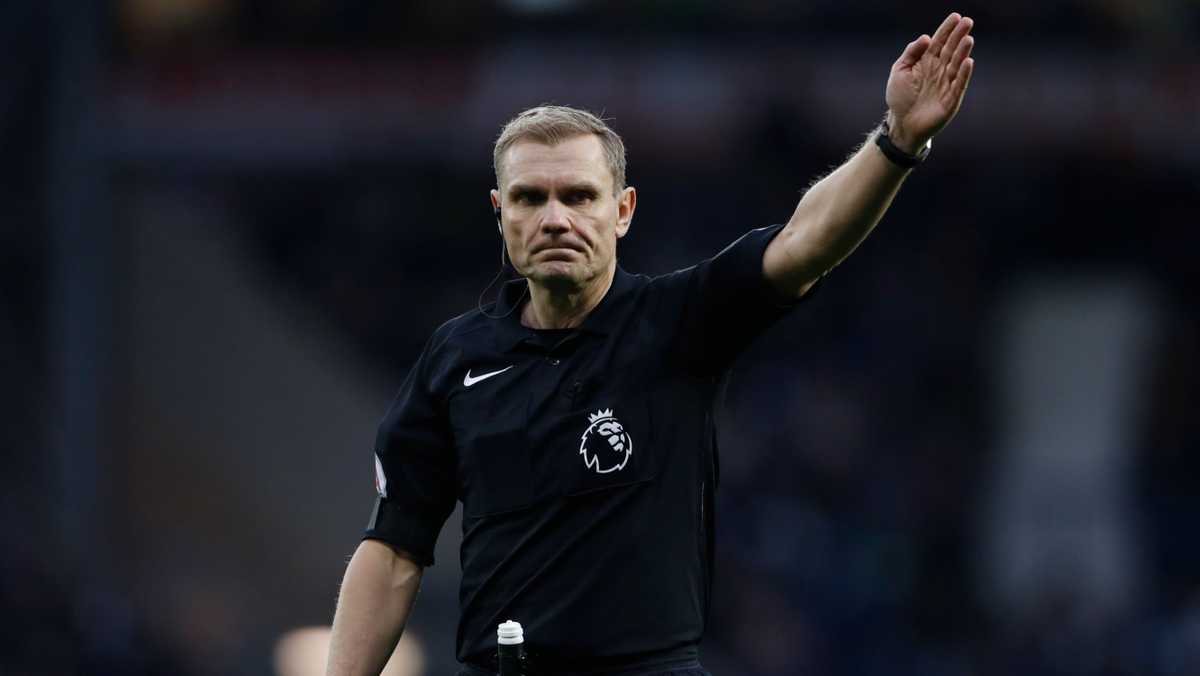
In a Premier League season defined by tight margins, West Ham United have found themselves on the wrong end of too many refereeing decisions. While inconsistency in officiating has affected clubs across the league, the timing and impact of key calls against West Ham suggest a tangible cost in points—and ultimately, league position.
Fine Margins, Big Consequences
For a club like West Ham, often competing for European places or fighting to maintain momentum in mid-table, matches are frequently decided by single moments. A missed penalty, a marginal offside, or a contentious red card can determine outcomes.
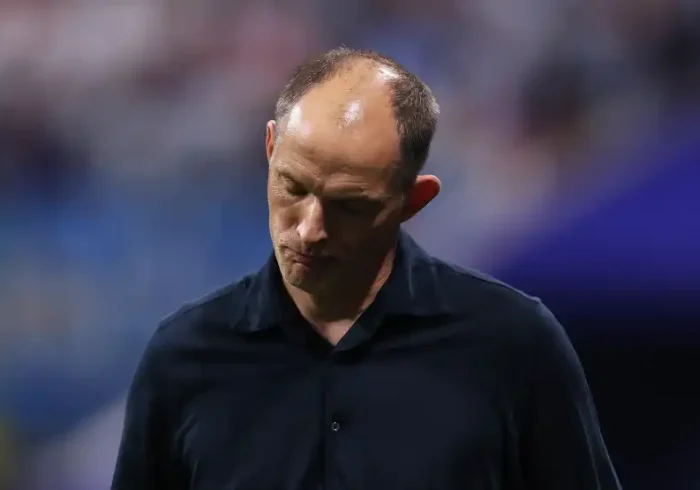
One of the most widely discussed incidents this season came when West Ham were denied a penalty in a crucial league fixture—an incident later debated heavily by pundits and former referees. Similar situations throughout the campaign have left manager David Moyes visibly frustrated, highlighting what he described as a lack of consistency in decision-making.
In matches decided by a single goal or draw, these moments are not minor—they are decisive.
VAR: Solution or New Problem?
VAR was introduced to eliminate “clear and obvious errors,” but its application has often created new controversies. Across the 2025/26 season, multiple reviews by officiating panels have confirmed a growing number of incorrect decisions, with West Ham among the affected clubs.
Recurring issues include:
• Subjective penalty decisions not being overturned despite clear contact
• Handball interpretations varying significantly from game to game
• Offside rulings decided by extremely fine margins, raising questions about consistency
In several West Ham matches, similar incidents have been judged differently compared to other games in the same matchweek—fueling the perception of inconsistency rather than fairness.
Quantifying the Cost
While it is impossible to calculate an exact points total lost, analysts and media reviews suggest West Ham could reasonably have gained 3 to 7 additional points if key decisions had gone their way.
That swing is significant:
• It could mean the difference between mid-table and European qualification contention
• It affects confidence, squad rotation, and long-term planning
• It influences financial outcomes tied to league position
In a league where positions are often separated by just a few points, officiating errors carry real competitive consequences.
Momentum and Mental Impact
Beyond the table, inconsistent officiating has a psychological effect.
1. Disrupted Momentum
West Ham have dropped points in matches where controversial decisions shifted the flow of the game. A denied penalty or soft foul leading to a goal can undo an otherwise strong performance.
2. Player Uncertainty
Inconsistent refereeing forces players to second-guess decisions—particularly in defensive situations involving tackles or handball risks.
3. Managerial Frustration
David Moyes has repeatedly expressed concerns about decisions not being applied evenly across matches. This frustration reflects a broader issue within the league rather than isolated complaints.
A League-Wide Problem—But Unevenly Felt
It’s important to acknowledge that officiating inconsistency is not unique to West Ham. However, the impact varies depending on when and how decisions occur.
For West Ham, many contentious calls have come in:
• Closely contested matches
• Games against direct rivals
• Moments where a single decision determined the result
This amplifies their effect compared to decisions in less critical situations.
Style of Play and Officiating Bias
West Ham’s physical, direct style under Moyes may also play an indirect role. Teams that rely on:
• Set pieces
• Aerial duels
• Defensive structure
often find themselves involved in more subjective refereeing calls—particularly around fouls and handballs.
While not evidence of bias, it does mean West Ham are more exposed to inconsistent interpretations of the rules.
Where Would West Ham Be?
A conservative projection suggests:
• Turning even two losses into draws adds 2 points
• Converting one draw into a win adds another 2 points
That alone could lift West Ham several places in the table—potentially pushing them closer to European qualification spots.
More importantly, better officiating consistency would allow results to reflect performances more accurately.
Conclusion
West Ham United’s season cannot be reduced solely to refereeing decisions—performance, injuries, and tactics all play crucial roles. However, the pattern of inconsistent officiating and VAR interventions has clearly influenced outcomes.
The issue is not that referees make mistakes—errors are inevitable in football. The problem is inconsistency: similar incidents producing different outcomes across matches.
Until that is addressed, clubs like West Ham will continue to feel that their league position is shaped not just by how well they play, but by how decisions are made.