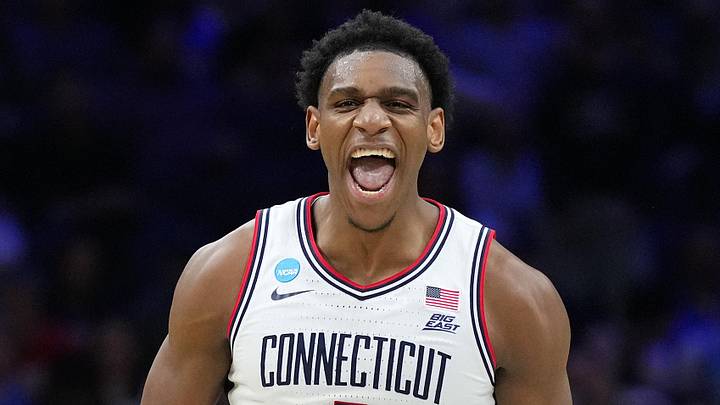
San Antonio Spurs fans demanded aggression during the 2026 NBA Draft, but few predicted the scorched-earth policy the front office would actually adopt. By trading back into the first round to snag UConn powerhouse Tarris Reed Jr. at No. 26—moments after drafting defensive phenom Jayden Quaintance—Brian Wright and the Spurs’ brass didn’t just add talent; they effectively cleaned house in the frontcourt.
The writing is officially on the wall for two veteran benchwarmers: Kelly Olynyk and Mason Plumlee. If you’re a fan of these two, it’s time to say your goodbyes. The Spurs’ pivot toward younger, high-motor giants has rendered their veteran insurance policy obsolete.
The End of the Road for the Vets
The Spurs brought Olynyk and Plumlee in last season with the hope that their veteran savvy would stabilize a roster transitioning toward a title run. The reality? They became permanent fixtures on the bench. While Mitch Johnson experimented with various lineups, neither player could find a rhythm or earn the coaching staff’s trust during the high-stakes pressure of the playoffs.
Aside from Olynyk’s memorable sideline antics and referee-massaging efforts during postseason timeouts, the pair offered little in terms of on-court production. In a league that has become increasingly defined by speed, verticality, and raw physicality, both veterans looked a step slow and statistically surplus to requirements. With both players entering free agency, the Spurs finally have the green light to clear the roster space and stop paying for “experience” that isn’t delivering.
Enter the “Rim-Protecting Monster”
If there was any doubt that San Antonio was ready to move on, Tarris Reed Jr. silenced it instantly. This isn’t a project player destined for the G League; he is an immediate contributor. Reed brings an edge that has been missing from San Antonio’s frontcourt—pure, unfiltered interior toughness.
His performance in the 2026 NCAA Tournament wasn’t just good; it was legendary. By posting 31 points and 27 rebounds, Reed became the first player since Elvin Hayes in 1968 to record a 30-25 game in March Madness. He is a rim-protecting, perimeter-switching force who doesn’t need to space the floor with a three-point shot because he is absolutely relentless in the paint. He is the physical antithesis of the guys he is replacing.
Why the Spurs Pulled the Trigger
San Antonio didn’t trade up into the first round just to watch a rookie sit on the sidelines. They recognized that while Jayden Quaintance provides long-term defensive upside (pending his return from a knee injury), they needed a frontcourt weapon who could play on Day One.
Tarris Reed Jr. is that weapon. He provides the energy, rebounding, and interior grit that the Spurs desperately craved throughout their deep playoff push last season. By clearing out the veterans who couldn’t keep up, the Spurs are betting that their future isn’t in past-their-prime role players, but in the explosive potential of their new draft-night steals.
As for Olynyk and Plumlee? Their bags are effectively packed. Spurs Nation wanted more impact, more physicality, and a legitimate future—and with Reed now in the building, they finally have it. The era of the “veteran safety net” is over; the era of San Antonio’s new frontcourt giants has officially begun.