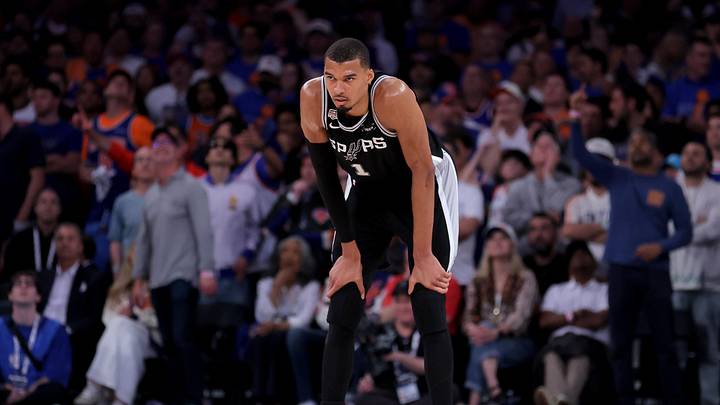
The San Antonio Spurs are fresh off a gut-wrenching NBA Finals loss, and while the sting of defeat is still raw, the roadmap to redemption has already been charted. While many are calling for systemic changes or massive roster overhauls, one NBA legend believes the key to San Antonio’s championship dreams is far simpler—and significantly more physical. Kevin Garnett, a man who defined defensive intensity and post-presence, has handed Victor Wembanyama the blueprint to topple the New York Knicks and claim his first Larry O’Brien trophy.
The advice? Focus entirely on core strength.
Why “Core Strength” is the Missing Piece
On the surface, suggesting “core strength” to a player who has already undergone a massive physical transformation since his rookie season might sound generic. However, Garnett is hitting on a fundamental truth of the modern NBA. Despite his undeniable growth, Wembanyama is still occasionally susceptible to being pushed off his spot by high-level physical defenders.
When you watch the tape of Wembanyama’s most difficult games—specifically against defensive anchors like Rudy Gobert or Karl-Anthony Towns—the pattern is clear. These veteran defenders know that if they can get into Wembanyama’s chest, grab, push, and force him off his center of gravity, they can neutralize his length. They prevent him from getting to his spots, force him into uncomfortable shots, and bait him into passing out of the post rather than punishing them at the rim.
By dedicating this offseason to a brutal core-strengthening regimen, Wembanyama isn’t just “getting bigger”; he is building the anchor required to withstand elite-level physicality. Improved core stability leads to better balance, which is the secret ingredient for two specific areas of his game: finishing through contact at the rim and holding his ground on defensive assignments.
Unlocking the Hidden Arsenal
Garnett’s logic goes deeper than just survival—it’s about unlocking offensive weapons that Wembanyama already possesses but hasn’t been able to fully deploy. The Spurs star apparently has a polished jump hook that he has been reluctant to use under pressure. Furthermore, there is a desire for him to be more aggressive attacking closeouts rather than settling for long-range threes.
If Wembanyama has the core strength to maintain his posture during contact, he can comfortably drive into the paint, absorb the bump, and finish with his hook shot or a high-percentage dunk. If he doesn’t have to worry about being knocked off balance, he will no longer feel forced to give up the ball when double-teamed. He will have the leverage to force his way to the basket, draw fouls, and make the opposition pay for their aggression.
The 10% Improvement Rule
The gap between a Finals runner-up and a champion is often razor-thin. If Wembanyama returns just 10% better—with a sturdier base and the confidence that he can physically dominate the league’s most aggressive defenders—the Spurs instantly become the team to beat.
It is a testament to Wembanyama’s work ethic that he has already made such drastic changes to his physique since entering the league. But the final climb is the steepest. Garnett’s advice is the “no-nonsense” reality check a future MVP needs. If he can combine his once-in-a-generation skill set with the physical durability to dish out as much punishment as he takes, the New York Knicks—and the rest of the NBA—should be very worried about next season.
The blueprint is set. Now, it’s up to Wemby to execute.