The San Antonio Spurs came agonizingly close to the ultimate prize last season. Falling just a few wins shy of an NBA Championship after a hard-fought battle against the New York Knicks in the Western Conference Finals, the Silver and Black enter the upcoming campaign with a clear vengeance and championship expectations.
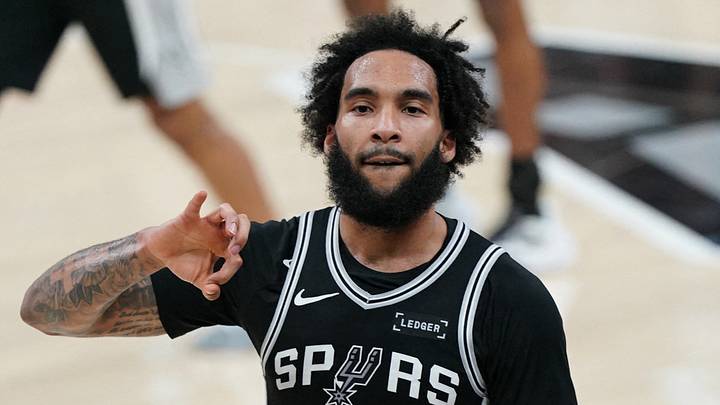
While the marquee offseason additions and superstar foundations naturally dominate the headlines, one critical piece of the puzzle often flies under the radar: Julian Champagnie.
How the 25-year-old forward performs and progresses this coming year could quietly dictate the entire trajectory of San Antonio’s rotation, managing the development curve of prized prospects and easing the pressure on veteran acquisitions.
From Waiver Wire Find to Championship Starter
Champagnie’s journey has been nothing short of remarkable. After being waived by the Philadelphia 76ers just a few short years ago, he has fought his way into becoming a trusted starter on an elite, contending ball club.
Last season, Champagnie proved to be an invaluable component of San Antonio’s success. His reliable floor-spacing, lethal three-point shooting, and consistent defensive instincts earned him heavy minutes on the floor, even in the white-hot pressure cooker of the Western Conference playoffs.
Yet, as the Spurs look to take that final step toward capturing a title, standing pat isn’t an option. Champagnie needs to take another meaningful leap. If he can expand his offensive repertoire—perhaps adding more self-creation off the bounce and tightening his defensive tools—he solidifies his place as an indispensable cornerstone of the franchise’s present.
Easing the Pressure on Rookie Carter Bryant
One of the most significant ripple effects of Champagnie’s continued development involves how the Spurs handle rookie sensation Carter Bryant.
Bryant arrives with immense long-term upside and the physical profile of a player who could eventually anchor major minutes for San Antonio down the line. However, throwing a young talent straight into the deep end with suffocating expectations can sometimes stall growth.
If Champagnie holds down the starting small forward or power forward spot with high-level play, it allows San Antonio to take a measured, patient approach with Bryant. Rather than rushing him into a high-pressure baptism by fire, Bryant can develop organically, logging valuable spot minutes behind Champagnie without the crushing weight of immediate starter-level responsibilities. That breathing room is invaluable for a young player’s long-term trajectory.
Managing the Veteran Load: The Tobias Harris Factor
Furthermore, Champagnie’s growth directly impacts how head coach Gregg Popovich and the front office manage veteran newcomer Tobias Harris.
The Spurs signed the veteran forward this summer to inject much-needed depth, locker room leadership, and playoff experience into the rotation. However, at 34 years of age, Harris is entering the twilight phase of his career. While he played a massive role for the Detroit Pistons in the postseason last year, relying heavily on an aging veteran over an 82-game regular season carries inherent risks of physical decline and injury.
If Champagnie continues to ascend, the Spurs won’t have to over-rely on Harris, allowing them to preserve the veteran’s legs for the moments that matter most in the spring. Conversely, a stagnation in Champagnie’s game could force San Antonio to lean on Harris far more than ideal.
The Stage Is Set
As the Spurs officially embark on their mission to finish the job this season, Julian Champagnie finds himself holding a massive share of the team’s tactical flexibility. Armed with a starting role and a championship pedigree forged through hard work, the stage is entirely his. If he makes the anticipated progression, San Antonio’s roster depth will become virtually unstoppable.