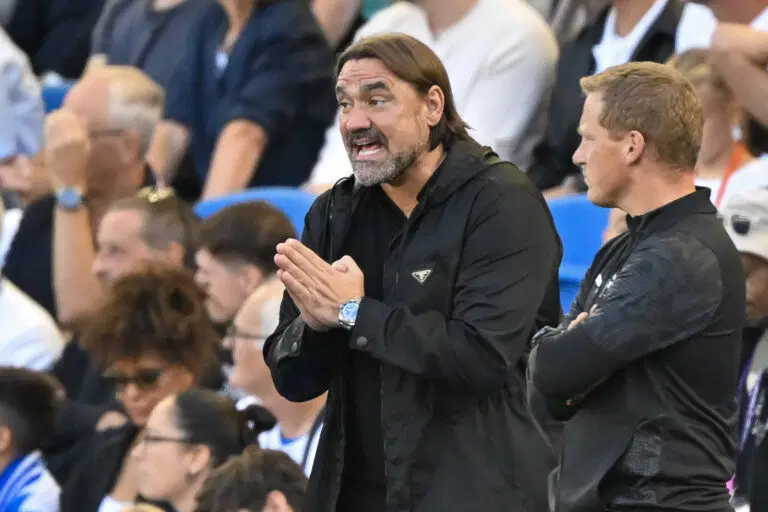
The summer transfer window may finally be locked in the rearview mirror, but the stories behind what could have been continue to ripple across West Yorkshire. While Daniel Farke successfully brought in seven fresh faces—ultimately wrapping up deadline day with a loan-to-buy agreement for Eintracht Frankfurt attacker Jean-Mateo Bahoya—it is no secret that the manager felt the squad remained slightly short on established firepower in the final third.
As it turns out, the 49ers ownership group was ready to pull out all the stops to land their primary attacking target. Newly surfaced details reveal just how close Leeds came to breaking the bank for a high-profile Premier League star, and why missing out on the deal might actually go down as one of the best things to happen to the club.
The Staggering Financial Gamble Leeds Were Willing to Take
For much of the window, tracking behind the scenes was Leeds’ intense pursuit of Chelsea winger Mykhailo Mudryk on a temporary loan deal. The Whites pushed aggressively right down to the wire, only to get edged out when Tottenham Hotspur entered the fray. Reports indicated that Mudryk was genuinely open to making the switch to Elland Road, but Spurs ultimately won the race thanks to a packaged deal involving two Chelsea players and the pull of manager Roberto De Zerbi.
However, the real eye-opener isn’t that Leeds missed out—it is the staggering financial lengths the club was willing to go to secure his signature. According to reports from the BBC, money was never the obstacle for Leeds.
The 49ers were fully prepared to shatter their wage structure and financial safety parameters. Not only did Leeds offer a substantial loan fee and agree to cover Mudryk’s hefty £100,000-per-week wages in full, but they also introduced an aggressive, high-risk financial guarantee to sweeten the pitch.
In an extraordinary concession, the Whites offered to pay a significant financial penalty clause to Chelsea if the winger failed to hit a specified threshold of playing minutes during his loan stint at Elland Road. It was a massive financial commitment designed to guarantee playing time, proving that the board was willing to mortgage short-term cash flow to inject elite-level dynamism into Farke’s attack.
Why Missing Out Is Suddenly Looking Like a Stroke of Genius
In hindsight, watching Tottenham hijack the deal has transformed into an undeniable blessing in disguise for Leeds United.
Leaving the eye-watering financial package aside, gambling on Mudryk carried layers of competitive risk. The young winger returned to professional football this summer following an extensive, near two-year absence from regular competitive action, leaving serious question marks over his physical conditioning and durability for the relentless, bone-crunching pace of the Premier League.
For a club like Leeds, sinking massive financial penalties and hefty wages into a player who could easily have required the better part of six months just to regain match sharpness would have been a perilous gamble.
Those doubts were validated almost immediately after the dust settled on deadline day. Following a single, brief cameo appearance for his new north London side, Mudryk suffered an unfortunate ankle injury that immediately sidelined him once again.
Moving Forward with Confidence
While landing a player with Mudryk’s explosive ceiling would have sent shockwaves through the Championship and Premier League alike, the reality of modern football economics demands calculated risks rather than desperate gambles.
Farke and the recruitment team ultimately pivoted to Jean-Mateo Bahoya and focused on maintaining squad harmony and structural balance. Given how fragile the winger’s fitness has proven to be right out of the gate, Leeds United fans can rest easy knowing their club avoided a massive financial and physical landmine. Sometimes, the best transfers are the ones that never actually happen.