The San Antonio Spurs are standing on the precipice of a new Western Conference hierarchy. Coming off a thrilling 62–20 campaign that saw them dethrone Oklahoma City in a seven-game Western Conference Finals epic, expectations around San Antonio are no longer about building for tomorrow—they are about dominating today.
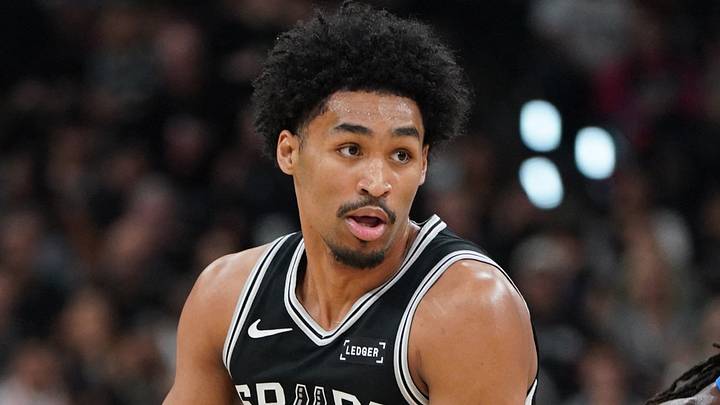
While Victor Wembanyama remains the celestial focal point of the franchise, the true engine of San Antonio’s future lies in its young, physical backcourt. For second-year sensation Dylan Harper to complete his meteoric rise into a true NBA All-Star, former lottery partner Stephon Castle must make the ultimate tactical sacrifice: relinquishing his primary on-ball duties to let Harper orchestrate the attack.
Unlocking the Master Orchestrator
Harper’s rookie campaign provided intoxicating glimpses of elite scoring potential. Possessing rare size, explosive athleticism, and a downhill burst that leaves defenders in modern spin-cycles, Harper proved he can get to his spots against any coverage. However, elevating from a high-volume bucket-getter into an elite offensive floor general requires handling the heaviest reads on the floor.
Speaking on The Bill Simmons Podcast, NBA analyst Rob Mahoney highlighted the critical fork in the road for San Antonio’s offense:
“Who is Dylan Harper when he has to kind of manage the reads and the variables of a game? He’s very focused, he’s very precise in the way he operates… But he doesn’t have to make the hard decisions that Castle or Fox or Wemby do.”
To answer that question, head coach Mitch Johnson must officially hand Harper the keys. Manipulating pick-and-roll coverages, forcing help defenders to commit, and finding Wembanyama in clutch postseason windows can only be mastered through live-action primary touches.
Fixing Castle’s Postseason Flaws Through Off-Ball Roles
Demoting Castle’s playmaking workload isn’t a punishment—it is an optimization strategy. While Castle led the Spurs in assists during stretches of his debut season, his time as primary initiator exposed glaring vulnerabilities during deep playoff runs, particularly when opposing defenses choked passing lanes and forced heavy turnover rates.
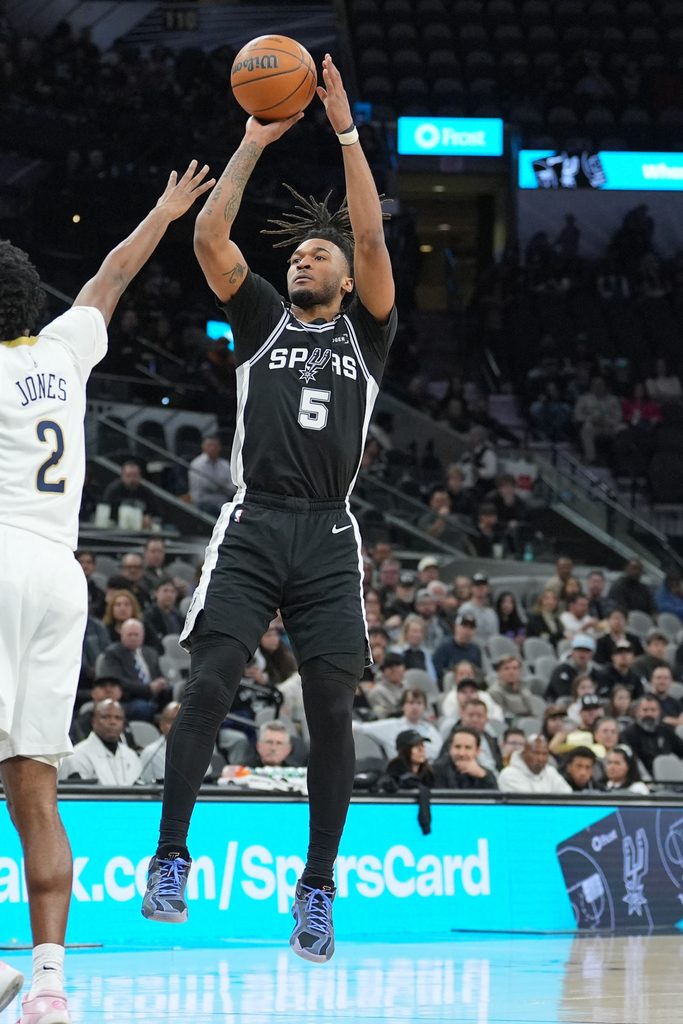
By shifting Castle into a secondary, off-ball playmaker role alongside Harper, San Antonio creates a lethal two-pronged guard attack:
- Off-Ball Slashing: Castle can exploit defensive over-rotations by making sharp cuts to the rim.
- Middle-PNO Screening: Utilizing Castle as a screener in short-roll scenarios unlocks mid-floor playmaking where his size and vision overpower smaller guards.
During San Antonio’s preseason opener against the Atlanta Hawks, Coach Johnson showcased early iterations of this exact dynamic, allowing Castle to operate out of secondary actions while Harper initiated set plays.
Unselfishness: The Spurs’ Championship DNA
From David Robinson deferring to Tim Duncan, to Manu Ginobili embracing a sixth-man role, the Spurs’ culture has always been anchored by stars unselfishly molding their games for the collective good.
If Castle embraces this off-ball transition and empowers Harper to take total control of the offense, San Antonio won’t just boast the league’s most terrifying young backcourt—they’ll have the tactical flexibility required to claim the NBA throne.